Understanding the Importance of IBC Tanks in Modern Logistics
In today’s fast-paced logistics and supply chain environment, the role of Intermediate Bulk Containers, commonly known as ibc tanks, has become increasingly vital. These versatile storage and transportation solutions are indispensable for industries ranging from chemicals to food and beverage.
The Korean term “ibc” has gained prominence due to its efficiency and practicality in handling large quantities of materials. From their design to their application, understanding the various facets of ibc tanks can significantly benefit businesses looking to optimize their operations.
What is an IBC Tank?
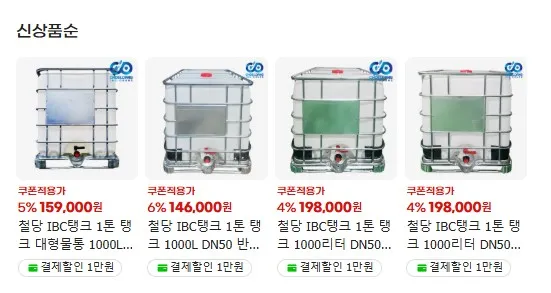
An ibc tank is a reusable, multi-purpose container designed for the safe and efficient transport and storage of bulk liquids and solids. Typically made from high-density polyethylene (HDPE), these containers are mounted within a protective metal cage to ensure durability and stability during transit.
These tanks come in various sizes, with the most common capacity being around 1,000 liters. The design allows them to be stacked and easily moved using forklifts, making them a popular choice in various sectors, including pharmaceuticals, agriculture, and manufacturing.
Benefits of Using IBC Tanks
The use of ibc tanks offers several advantages, making them a preferred choice for businesses worldwide. Here are some of their key benefits:
- Cost-Effective: Due to their reusable nature, ibc tanks help reduce packaging costs and minimize waste.
- Space-Saving: Their stackable design maximizes storage space, both in warehouses and during transport.
- Versatile Applications: Suitable for storing a wide range of materials, from hazardous chemicals to food-grade liquids.
Applications of IBC Tanks
Understanding the diverse applications of ibc tanks can help industries make informed decisions. Below is a table highlighting some common uses:
| Industry | Common Use |
|---|---|
| Chemical | Storing and transporting chemicals safely |
| Food & Beverage | Transporting bulk liquids like syrups and juices |
| Agriculture | Transporting fertilizers and pesticides |
Challenges and Considerations
While ibc tanks offer numerous benefits, businesses must also consider potential challenges. Key considerations include ensuring proper cleaning and maintenance, as residues from previous contents can lead to contamination. Additionally, selecting the appropriate type of ibc tank—whether food-grade or chemical-resistant—is crucial to meet specific industry standards.
Moreover, regulatory compliance regarding the transport of certain materials is a significant concern. Businesses must ensure that their ibc tanks meet all relevant safety standards and guidelines.
Conclusion
Incorporating ibc tanks into your business operations can lead to enhanced efficiency and cost savings. By understanding their benefits and applications, companies can better navigate the complexities of modern logistics. Whether you are in the chemical, food, or agricultural industry, ibc tanks offer a practical solution to many of your storage and transportation needs.
Ready to explore how ibc tanks can optimize your operations? Consider evaluating your current logistics processes and see where these versatile containers can make a difference. Their adaptability and efficiency could be the key to achieving your business goals.